Knowing that you had 200 returns last month doesn’t help you make better decisions.
Knowing why those returns happened—and whether they’re getting better or worse—does.
This is where sellerboard becomes more than a profitability dashboard. It becomes an investigation tool.
Instead of jumping between multiple reports in Seller Central, sellerboard brings return-related data into the context of your overall business performance, making it easier to spot problems before they become expensive.
Start with the Refund Rate—not the Number of Returns
A product that generated 100 returns may not be a problem if it sold 20,000 units.
A product with 20 returns on only 200 sales is a completely different story.
That’s why experienced sellers monitor Refund Rate, not just refund count.
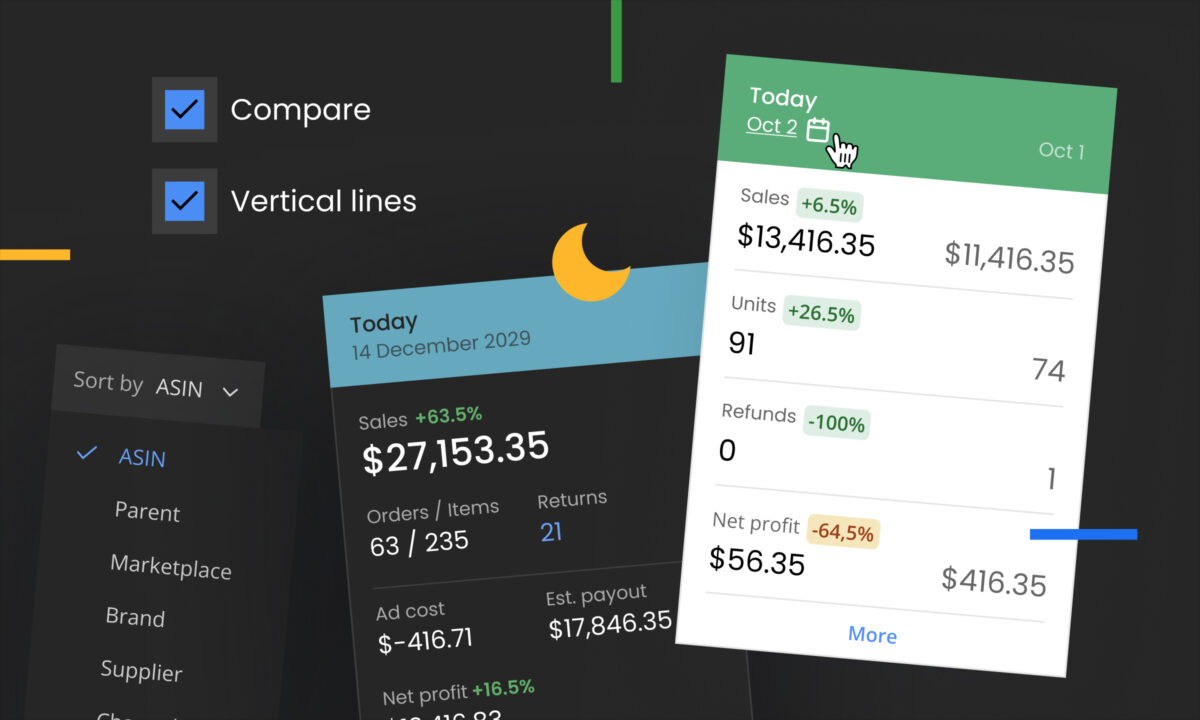
Sellerboard lets you compare refund rates across ASINs, making it easy to identify products that deserve immediate attention—even if they aren’t your highest-volume sellers.
Look for Trends Before They Become Problems
Returns rarely spike overnight without warning.
More often, the refund rate slowly climbs over weeks as product quality changes, a supplier introduces inconsistencies, packaging deteriorates, or a listing starts attracting the wrong customers.
With sellerboard’s historical charts and trend analysis, you can see these gradual changes long before they become obvious in your monthly profit numbers.
Instead of reacting after profitability has already declined, you can investigate while the problem is still small.
Understand Why Customers Are Returning Products
The most valuable return metric isn’t the refund amount.
It’s the reason behind it.
Sellerboard allows you to view Amazon’s return reasons directly in the Profit Dashboard, helping you move beyond “what happened” to “why it happened.”
If customers repeatedly mention sizing issues, unclear product descriptions, damaged items, or missing parts, those patterns quickly become visible.
Once you know the underlying cause, the solution often becomes obvious—improve the listing, update the packaging, work with your supplier, or refine your quality control.
Measure the Real Financial Impact
Not every return has the same cost.
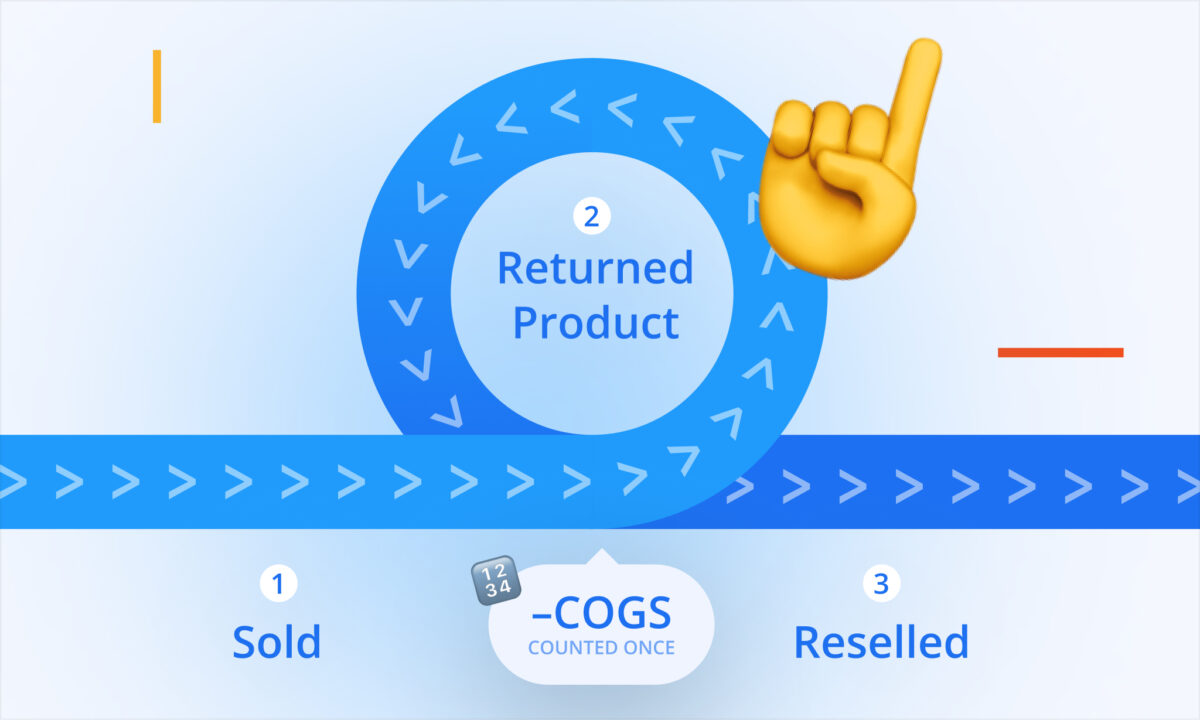
Some products are returned in sellable condition and go back into inventory.
Others become unsellable, requiring removals or disposal and creating additional losses.
Sellerboard reflects these differences in profitability, allowing you to understand how returns affect your actual margins—not just your refund totals.
This gives you a much more accurate picture of which products are quietly eroding profit.
Connect Returns to Business Decisions
Returns should never be analyzed in isolation.
A sudden increase in returns might coincide with:
- a new supplier
- updated product images
- changes to pricing
- a new advertising campaign targeting a different audience
- seasonal buying behavior
Because sellerboard combines profitability, advertising costs, inventory, and returns in one place, you can investigate these relationships much more effectively than by reviewing separate reports.
Instead of asking, “How many returns did we have?”, you begin asking much more valuable questions:
- Which ASINs are becoming less profitable because of increasing returns?
- Are return reasons changing over time?
- Is this affecting only one product or an entire product line?
- Which improvements would have the biggest impact on both profit and customer satisfaction?
Those are the questions that lead to meaningful business improvements.
The Best Return Strategy Isn’t Processing Returns—It’s Preventing Them
Every return is an opportunity to learn something about your product or your customers.
The goal isn’t simply to refund customers efficiently. It’s to understand what caused the return and prevent the next one.
Sellerboard helps you do exactly that by turning return data into actionable insights.
Because every return you prevent improves more than just your profit.
It protects your advertising investment, preserves your margins, improves customer satisfaction, and strengthens your brand’s reputation—all at the same time.