Can You Actually Make Money With Amazon FBA?
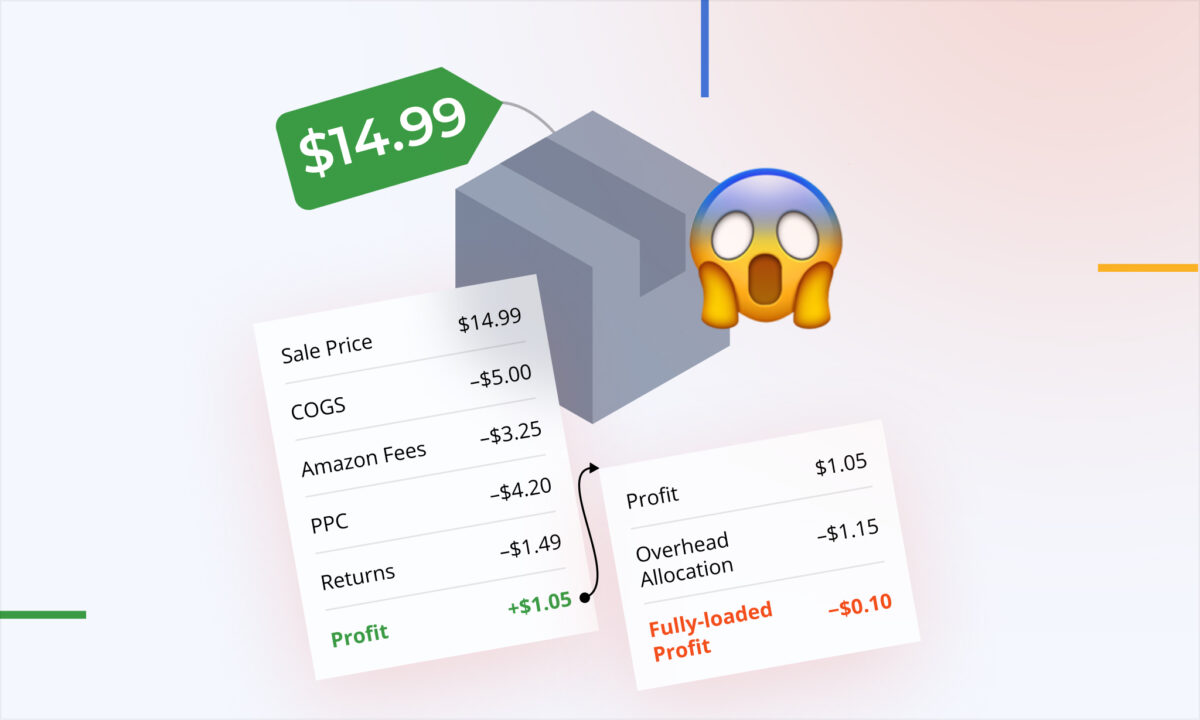
Yes, but profitability depends less on sales volume and more on unit economics.
Many sellers focus on revenue growth while overlooking:
- fees
- advertising costs
- returns
- inventory carrying costs
These factors determine whether sales translate into profit.
The Basic Amazon FBA Profit Formula
Net Profit = Revenue − Amazon Fees − Product Costs − Advertising − Returns − Operating Expenses
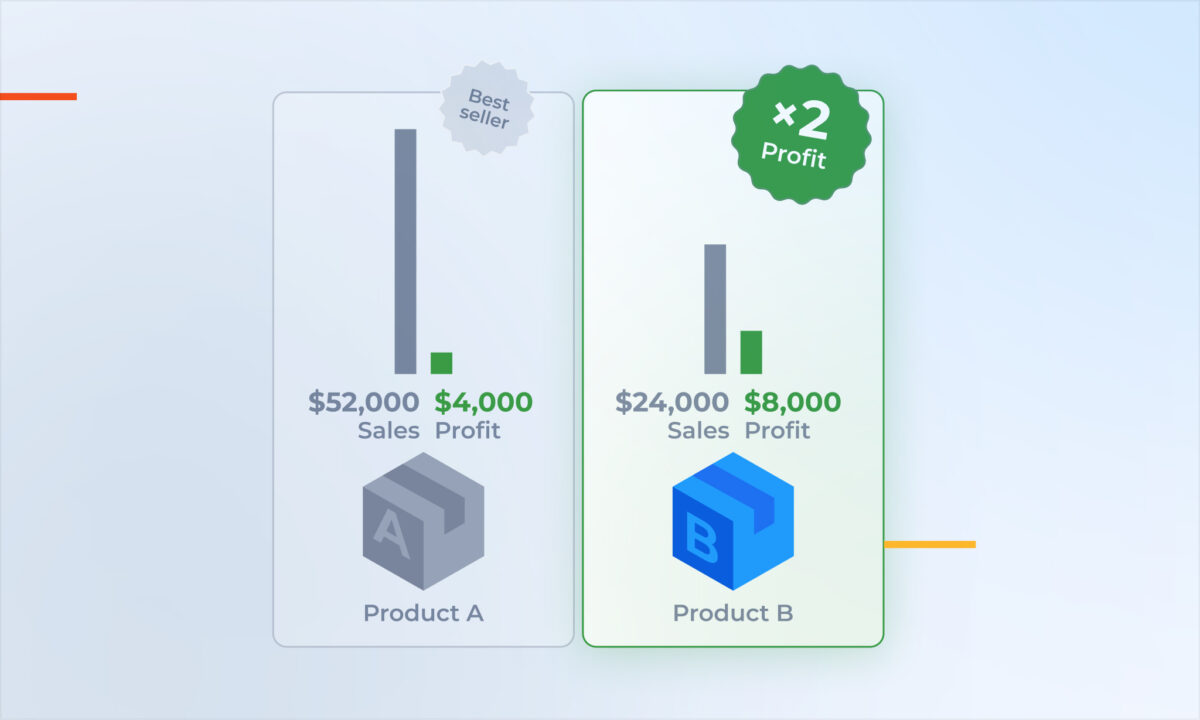
Revenue alone does not indicate business performance.
Example: Two Sellers With the Same Revenue
Seller A
Revenue: $50,000
Net Profit: $8,000
Net Margin: 16%
Seller B
Revenue: $50,000
Net Profit: $1,500
Net Margin: 3%
Both sellers generated identical sales.
The difference is cost structure.
The Four Drivers of Amazon FBA Profitability
Product Margin
Higher gross margins create more room for advertising.
Advertising Efficiency
Improving ACOS often has a direct impact on net profit.
Return Rate
Returns reduce realized profitability.
Inventory Velocity
Faster inventory turnover generally improves capital efficiency.
Why Scaling Too Early Can Reduce Profit
Many sellers increase:
- inventory purchases
- PPC budgets
- SKU count
before understanding profitability.
This often creates:
- lower cash flow
- excess inventory
- margin compression
Scaling should follow profitability, not precede it.
Profitability Metrics Every Seller Should Monitor
Net Profit Margin
Net Profit ÷ Revenue
TACOS
Advertising Spend ÷ Total Revenue
ROI
Net Profit ÷ Inventory Investment
Inventory Turnover
Cost of Goods Sold ÷ Average Inventory
Common Mistakes
- Measuring success by revenue
- Ignoring TACOS trends
- Expanding catalog too quickly
- Not tracking profitability by ASIN
- Failing to account for refunds
FAQ
Is Amazon FBA still profitable?
Profitability depends on product economics, fees, competition, and advertising efficiency.
What margin should Amazon sellers target?
Targets vary by category, but sellers should evaluate margins after all fees and advertising expenses.
What is the biggest profitability mistake?
Using revenue as the primary performance metric.
Conclusion
The question is not whether Amazon FBA can generate revenue. The more important question is whether sales produce sustainable profit. Sellers who understand unit economics, monitor margins, and manage advertising costs are generally better positioned to scale successfully.
sellerboard helps sellers analyze profitability at the ASIN level by incorporating fees, advertising costs, refunds, and other operational expenses.