Amazon PPC keyword research is often discussed as a traffic acquisition tactic.
In practice, it is a profitability management process.
For established Amazon sellers, the challenge is rarely generating impressions. The more difficult problem is identifying which keywords produce sustainable contribution margin after accounting for:
- ad spend
- Amazon fees
- conversion rates
- refunds
- inventory costs
- pricing pressure
A campaign can generate strong sales growth while weakening overall business performance if keyword selection is inefficient.
This article explains how experienced Amazon sellers can approach PPC keyword research from a profit optimization perspective rather than a traffic-maximization mindset.
What PPC Keyword Research Actually Means
Amazon PPC keyword research is the process of identifying search terms worth bidding on in Sponsored Products, Sponsored Brands, and Sponsored Display campaigns.
The objective is not simply traffic generation.
The real objective is:
acquiring profitable customers at sustainable advertising costs.
Most PPC keyword research focuses on:
- search volume
- suggested bids
- competition
- estimated CPC
These metrics are useful, but incomplete.
Effective keyword research also requires evaluating:
- conversion quality
- margin structure
- TACOS impact
- repeat purchase behavior
- inventory implications
For many sellers, the difference between profitable and unprofitable advertising is not campaign structure alone — it is keyword quality.
Why High-Traffic Keywords Often Reduce Profitability
Broad, high-volume keywords can appear attractive because they create visibility quickly.
Examples:
- “protein bars”
- “standing desk”
- “wireless mouse”
These terms usually come with:
- higher CPCs
- lower conversion precision
- more aggressive competition
As more sellers bid aggressively, acquisition costs increase.
In many categories, broad keywords function more as awareness campaigns than efficient profit drivers.
Example:
| Keyword | CPC | Conversion Rate | Net Result |
| “wireless mouse” | $2.80 | 7% | weak margin |
| “ergonomic wireless mouse for mac” | $1.10 | 18% | stronger margin |
The second keyword generates less traffic but often delivers better contribution profit because intent is more specific.
The Difference Between ACOS and Actual Profitability
Many sellers optimize campaigns exclusively around ACOS.
This creates problems because ACOS alone does not represent profitability.
ACOS Formula
Ad Spend ÷ Ad Revenue
A 25% ACOS can still be unprofitable if margins are thin.
Likewise, a 40% ACOS may be acceptable for products with strong contribution margin or high customer lifetime value.
Example:
| Product A | Product B |
| Margin Before Ads: 15% | Margin Before Ads: 50% |
| ACOS: 20% | ACOS: 35% |
| Result: losing money | Result: profitable |
Keyword evaluation must account for margin structure, not just advertising efficiency metrics.
Why TACOS Matters More for Long-Term PPC Strategy
TACOS (Total Advertising Cost of Sales) measures advertising spend relative to total revenue.
TACOS Formula
Total Ad Spend ÷ Total Revenue
Unlike ACOS, TACOS reflects how PPC affects the entire business.
A healthy PPC strategy often shows:
- stable or declining TACOS
- improving organic sales
- increasing contribution margin over time
Poor keyword selection typically creates:
- rising TACOS
- dependency on paid traffic
- unstable profitability
This is especially common when sellers continuously scale broad competitive keywords without sufficient organic conversion support.
How Poor Keyword Research Creates Hidden Operational Costs
Advertising inefficiency does not only affect PPC budgets.
It also affects:
- inventory turnover
- storage fees
- cash flow
- reorder planning
Example:
A seller aggressively bids on broad category keywords during Q4.
Sales volume increases significantly.
However:
- conversion quality is inconsistent
- refunds increase
- inventory forecasting becomes less predictable
- ad costs remain elevated after seasonal demand declines
The business experiences higher revenue but weaker operational efficiency.
Keyword research should support stable growth, not only temporary sales spikes.
A Practical Framework for Evaluating Amazon PPC Keywords
Experienced sellers often benefit from evaluating keywords across four dimensions instead of relying solely on CPC and search volume.
1. Commercial Intent
Questions:
- Is the buyer close to purchase?
- Does the query describe a specific use case?
- Is the search highly relevant to the product?
High-intent keywords usually convert more efficiently.
2. Margin Compatibility
Questions:
- Can the product sustain competitive CPCs?
- Does the keyword require discounts to convert?
- Is break-even ACOS realistic?
Example:
Break-Even ACOS Formula
Profit Before Ads ÷ Selling Price
If break-even ACOS is 28% but the keyword consistently performs at 45%, scaling may not be sustainable.
3. Organic Ranking Potential
Some keywords justify temporary aggressive bidding because they improve long-term organic positioning.
Others remain permanently dependent on advertising.
This distinction matters.
A keyword strategy that never reduces TACOS can become increasingly expensive over time.
4. Operational Stability
Questions:
- Can inventory support increased velocity?
- Will scaling create stockout risk?
- Does demand fluctuate seasonally?
Advertising strategy should align with operational capacity.
Why Long-Tail Keywords Often Produce Better Economics
Long-tail keywords generally have:
- lower search volume
- lower CPCs
- higher conversion intent
- more precise traffic
Examples:
- “collagen powder”
- vs.
- “grass fed collagen powder unflavored”
The second query often attracts buyers with clearer purchase intent.
Benefits may include:
- lower wasted ad spend
- stronger conversion rates
- lower TACOS
- more stable profitability
For many mature sellers, long-tail keyword expansion improves efficiency more reliably than competing aggressively on broad category terms.
Common PPC Keyword Research Mistakes
Scaling based on revenue instead of contribution margin
Sales growth alone can hide declining profitability.
Ignoring TACOS trends
Campaign-level efficiency can appear healthy while overall ad dependency worsens.
Keeping unprofitable “visibility” keywords too long
Some awareness-focused keywords never become financially sustainable.
Failing to segment branded and non-branded terms
Blended reporting can distort actual acquisition performance.
Expanding keyword lists without inventory planning
Aggressive PPC scaling can destabilize stock levels and reorder cycles.
Best Practices for Amazon PPC Keyword Research
Prioritize intent-driven keyword expansion
Specific buyer intent often outperforms broad traffic acquisition.
Evaluate keywords using contribution margin
Advertising metrics should connect directly to profitability.
Monitor TACOS regularly
Long-term advertising efficiency matters more than isolated campaign metrics.
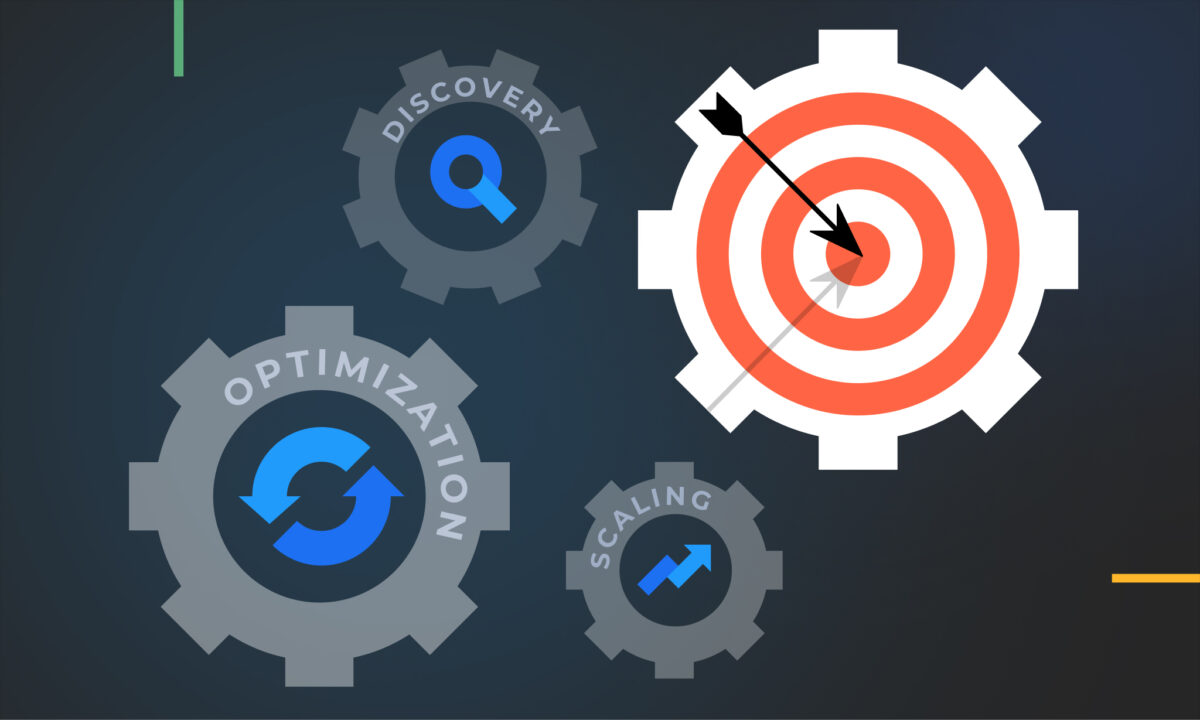
Separate discovery campaigns from scaling campaigns
Different keyword stages require different expectations.
Review refund and return behavior by campaign cluster
Traffic quality affects profitability beyond conversion rates alone.
FAQ
What is PPC keyword research on Amazon?
PPC keyword research is the process of identifying search terms worth targeting in Amazon advertising campaigns based on relevance, conversion potential, and profitability.
Are high-volume PPC keywords always better?
No. High-volume keywords often have higher CPCs and weaker conversion efficiency, which can reduce profitability.
What is a good ACOS?
A good ACOS depends on product margin structure. Sellers should compare ACOS against break-even ACOS rather than using universal benchmarks.
Why is TACOS important?
TACOS measures how advertising impacts total business revenue and helps sellers evaluate long-term advertising efficiency.
How do sellers reduce wasted ad spend?
Sellers typically reduce wasted spend by:
- improving keyword targeting
- prioritizing high-intent searches
- analyzing conversion quality
- monitoring contribution margin
- reducing bids on structurally unprofitable keywords
Conclusion
Amazon PPC keyword research is not simply about generating more traffic.
It is about allocating advertising budget toward keywords that support sustainable profitability.
Search volume and visibility matter, but long-term performance depends on whether campaigns improve:
- contribution margin
- inventory efficiency
- cash flow stability
- organic sales growth
As advertising competition increases across Amazon categories, sellers who connect PPC decisions to financial analysis will generally make more stable scaling decisions than sellers focused primarily on revenue growth.
Tools like sellerboard help sellers analyze these relationships more accurately by tracking:
- PPC impact on net profit
- TACOS trends
- ASIN-level profitability
- refund impact
- contribution margin after advertising costs
This allows sellers to evaluate whether keyword growth is improving the overall economics of the business rather than only increasing ad-attributed sales.